Xinhua
18 Aug 2025, 19:45 GMT+10
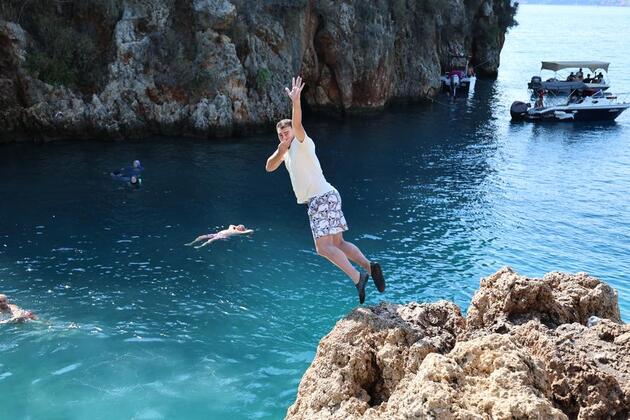
ANTALYA, Trkiye, Aug. 18 (Xinhua) -- In Antalya's old city of Kaleici, shopkeepers watch as tourists duck into shaded cafes. At the harbour, excursion boats stay moored through the midday heat, their crews waiting for cooler hours.
For the second consecutive year, Trkiye's tourism industry is celebrating record results, but it is also confronting an intensifying climate challenge that could reshape visitor flows for decades to come.
Official figures show that in 2024, Trkiye welcomed 52.6 million foreign visitors, generating 61.1 billion U.S. dollars in revenue. The government projects tourism income will reach 64 billion dollars in 2025, with arrivals expected to grow further.
In the first half of 2025 alone, Trkiye attracted 26.4 million international visitors, a one percent increase year-on-year, with revenues rising 7.6 percent to 25.8 billion dollars, Tourism Minister Mehmet Nuri Ersoy announced in late July.
Yet beneath these encouraging numbers lies a shift in climate conditions that experts say will have profound implications for the sector.
The Turkish State Meteorological Service reported that July 2025 was the hottest in 55 years, with an average nationwide temperature of 26.9 degrees Celsius, 1.9 degrees above the 1991-2020 average. In parts of the southeast and the Mediterranean coast, daily highs exceeded 45 degrees.
"This is no longer just a weather anomaly; it's part of a long-term trend," Cagatay Tavsanoglu, a climate change scholar at Hacettepe University in Ankara, told Xinhua.
"We're likely to see a redefinition of Trkiye's peak tourism season. Mediterranean destinations such as Antalya and Mugla may see visitors avoiding the hottest summer months in favor of the shoulder seasons," he pointed out.
The Mediterranean and Aegean coasts, home to Trkiye's most visited beaches, are particularly vulnerable to rising sea surface temperatures, heat stress, and wildfires that have ravaged forest land this year in many parts of the country, he said.
For tourism operators, the challenge is twofold: protecting visitors from extreme conditions while maintaining revenues.
Murat Toktas, a tourism professional and a hotel association executive in the northern Black Sea region, said the industry is already shifting strategies.
"Coastal resorts are promoting April, May, September, and October as alternatives to the peak summer months," Toktas told Xinhua. "We're also seeing more investments in mountain and plateau tourism in the Black Sea, where cooler temperatures offer a natural advantage."
But the changes go beyond marketing. Toktas noted that water supply is a growing concern. "Peak season water demand in many coastal towns already stretches capacity. A hotter, drier climate will intensify this. The sector must invest in water-saving technologies and renewable energy to sustain growth," he stressed.
The effects are already visible in visitor behavior. According to Toktas, some European travelers are booking trips earlier or later in the year to avoid summer heat.
"This shift could leave July and August with lower occupancy unless hotels adjust pricing or package offers," he said.
In Antalya, hotels are responding by expanding shaded areas around pools, installing misting systems on terraces, and offering more evening and night-time entertainment.
"Our guests still want to enjoy the sea, but they do it at 7 a.m. or after 5 p.m. now," said one hotel manager, watching staff set out beach umbrellas before sunrise.
Both experts stress that Trkiye's tourism diversity offers opportunities for adaptation. "Thermal spas in central Anatolia, cultural festivals in cooler seasons, and Black Sea highlands tourism can all attract visitors year-round," Toktas said.
In Tavsanoglu's view, the record-breaking heat of July 2025 stands as both a warning and a catalyst. Trkiye's tourism sector, flush with record revenues, faces a choice between reacting piecemeal to each new heatwave or planning strategically for a warmer, drier future.
Despite the challenges, industry representatives strive to remain hopeful.
"The sector has shown resilience through political and economic challenges in the past," Toktas said. "Climate change is the next big test."
Get a daily dose of Irish Sun news through our daily email, its complimentary and keeps you fully up to date with world and business news as well.
Publish news of your business, community or sports group, personnel appointments, major event and more by submitting a news release to Irish Sun.
More InformationHONG KONG: The closing arguments in the national security trial of Hong Kong pro-democracy media tycoon Jimmy Lai were unexpectedly...
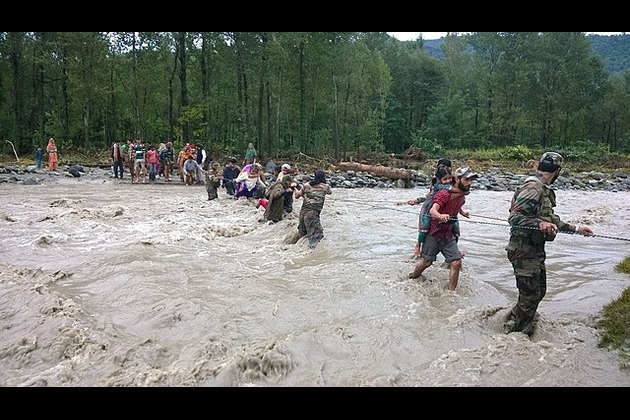
SRINAGAR, India: A sudden, intense downpour triggered deadly flooding in Indian Kashmir's Kishtwar district on August 14, killing at...
Donald Trump came into office promising to end the war in Ukraine in 24 hours. Now, six months later, his high stakes meeting with...
WASHINGTON, D.C.: Alcohol consumption in the United States has dropped to its lowest level since Gallup began tracking the trend in...
WASHINGTON, D.C.: A split federal appeals court has ruled that the Trump administration can halt or cancel billions of dollars in foreign...
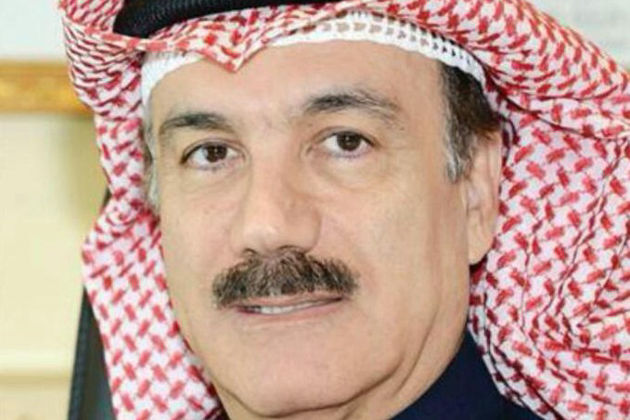
DOHA, Qatar: The head of Qatar's small Baha'i community has been sentenced to five years in prison for social media posts authorities...
Donald Trump came into office promising to end the war in Ukraine in 24 hours. Now, six months later, his high stakes meeting with...
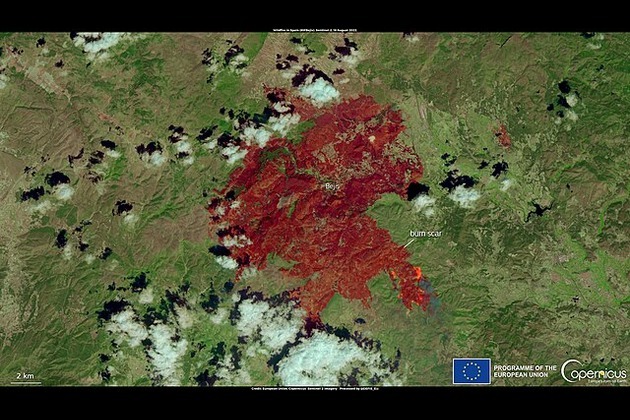
PATRAS, Greece,/MADRID: Wildfires intensified across southern Europe, with extreme heat, strong winds, and suspected arson driving...
KYIV, Ukraine: Ukrainian President Volodymyr Zelenskyy has firmly rejected a proposal that would see Ukraine withdraw from the roughly...
DUBLIN, Ireland: Former president Mary Robinson has voiced shock and outrage over what she described as mass starvation in Gaza. ...
ANTALYA, Trkiye, Aug. 18 (Xinhua) -- In Antalya's old city of Kaleici, shopkeepers watch as tourists duck into shaded cafes. At the...
New Delhi [India], August 18 (ANI): Russian President Vladimir Putin called Prime Minister Narendra Modi and shared his insights about...