Anabelle Colaco
04 Apr 2026, 14:43 GMT+10
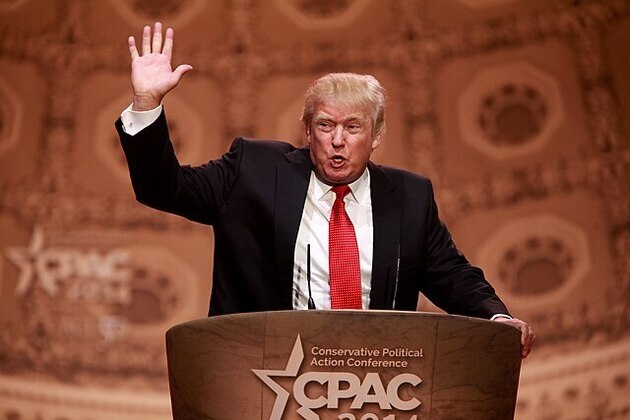
WASHINGTON, D.C.: A year after unveiling sweeping "Liberation Day" tariffs, U.S. President Donald Trump has introduced a new set of trade measures targeting pharmaceutical imports while easing some duties on metals, marking a shift in his administration's tariff strategy.
On April 2, Trump ordered tariffs of up to 100 percent on certain branded pharmaceutical imports, alongside changes to steel, aluminum, and copper duties, as the administration looks to rebuild trade levies struck down earlier this year by the U.S. Supreme Court.
The pharmaceutical tariffs are intended to force foreign drugmakers to cut prices and expand manufacturing in the United States. Under the policy, companies must agree to both conditions to avoid tariffs entirely. Those that shift some production to the U.S. but do not comply with pricing demands will face a 20 percent tariff, while firms that do neither will be subject to a 100 percent duty.
The tariffs will not apply uniformly across all countries. Imports from the European Union, Japan, South Korea, and Switzerland will face a capped rate of 15 percent under existing trade agreements. The U.S. and Britain have also finalized a separate deal ensuring zero tariffs on British-made pharmaceuticals for at least three years.
According to an administration official, large pharmaceutical companies will have 120 days to comply before the highest tariffs take effect, while smaller producers will have 180 days.
Alongside the pharmaceutical measures, Trump signed a separate proclamation revising tariffs on metals. Duties on many derivative products made from steel, aluminum, and copper will be cut to 25 percent, while tariffs will be removed entirely for goods with minimal metal content.
However, a 50 percent duty on core imports of these metals will remain in place. The administration will now apply this rate to the U.S. sales price of the metals rather than their declared import value, which officials said had often been understated.
The overhaul is intended to simplify what had become a complex system for determining tariffs on products ranging from machinery parts to household goods. Items with less than 15 percent metal content, such as products with small steel components, will no longer be subject to these duties.
The White House also said tariffs on certain metal-intensive industrial and power-grid equipment will be reduced to 15 percent from 50 percent through 2027 to support infrastructure and data center expansion. The changes to metals tariffs are set to take effect just after midnight on April 6.
The announcement comes exactly one year after Trump's "Liberation Day" tariffs, which imposed duties of 10 percent to 50 percent on imports from a wide range of countries. Those measures triggered retaliatory actions from trading partners and a series of legal challenges.
In February, the U.S. Supreme Court ruled that tariffs imposed under the International Emergency Economic Powers Act were unlawful, leading to a lower court order requiring refunds of roughly US$166 billion in collected duties.
U.S. Trade Representative Jamieson Greer defended the earlier tariffs as a necessary reset of global trade, saying they had encouraged domestic investment and secured concessions from trading partners.
"The best is yet to come as President Trump's tariff program incentivizes domestic production, raises workers' wages, and reinforces our critical supply chains," Greer said in a statement.
Business groups, however, warned that the latest measures could increase costs. "A new, complex tariff scheme on pharmaceuticals will raise healthcare costs for American families," said Neil Bradley, policy chief at the U.S. Chamber of Commerce.
He added that changes to metals tariffs could further strain industries already facing high input costs and supply chain challenges.
Still, some industry representatives welcomed the adjustments. Steel Manufacturers Association president Philip Bell said the revisions would better target tariffs to support domestic production without broader economic disruption.
Get a daily dose of Irish Sun news through our daily email, its complimentary and keeps you fully up to date with world and business news as well.
Publish news of your business, community or sports group, personnel appointments, major event and more by submitting a news release to Irish Sun.
More InformationHARRISBURG, Pennsylvania: A judge ruled on Friday that an Indian citizen, who was taken into custody by the Immigration and Customs...
DUBAI, U.A.E.: The war in Iran showed no signs of ebbing with Israel saying it faced incoming fire, and Kuwait and Bahrain reporting...
VATICAN CITY: Since he was anointed the first U.S. leader of the global Catholic Church ten months ago, Pope Leo has mostly stayed...
BEIRUT, Lebanon: More than a million people have fled from southern and eastern Lebanon and entered Beirut's southern suburbs since...
LONDON, U.K.: Almost three dozen countries met on April 2 to exert diplomatic and political pressure to reopen the Strait of Hormuz,...
MADRID, Spain: A tunnel in the North African exclave of Ceuta, complete with a rail system and underground cranes used to smuggle...
WASHINGTON, D.C.: A year after unveiling sweeping Liberation Day tariffs, U.S. President Donald Trump has introduced a new set of trade...
DUBLIN, Ireland: Road safety campaigners believe that 1 in 4 motorists disqualified from driving by the courts last year are still...
LONDON, U.K.: Almost three dozen countries met on April 2 to exert diplomatic and political pressure to reopen the Strait of Hormuz,...
MADRID, Spain: A tunnel in the North African exclave of Ceuta, complete with a rail system and underground cranes used to smuggle...
BOLOGNA, Italy: The Iran war is rippling through the global beauty industry, pushing up costs for everything from packaging materials...
NEW YORK CITY, New York: Morgan Stanley has downgraded global equities and shifted toward safer assets, citing rising uncertainty from...